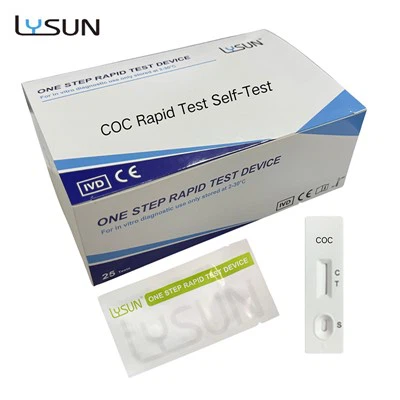

In the dynamic landscape of modern healthcare, rapid diagnostic tests have emerged as indispensable tools, revolutionizing the way we approach patient care. Among these, the Procalcitonin (PCT) Rapid Test stands out as a game-changer, offering a multitude of advantages that have significantly enhanced the efficiency and accuracy of medical decision-making. As a proud supplier of PCT Rapid Tests, I am excited to delve into the numerous benefits this innovative diagnostic solution brings to the table.
1. Speed and Efficiency
One of the most significant advantages of the PCT Rapid Test is its ability to provide results in a matter of minutes. Traditional laboratory tests often require hours or even days to yield results, causing delays in treatment initiation and potentially compromising patient outcomes. In contrast, the PCT Rapid Test can deliver accurate results within 15 - 30 minutes, allowing healthcare providers to make timely and informed decisions regarding patient management.
This rapid turnaround time is particularly crucial in critical care settings, such as emergency departments and intensive care units, where every second counts. In these high-pressure environments, the ability to quickly assess a patient's PCT levels can help clinicians determine the presence and severity of infection, enabling them to initiate appropriate treatment promptly. By reducing the time between diagnosis and treatment, the PCT Rapid Test can improve patient outcomes and potentially save lives.
2. Point-of-Care Testing
The PCT Rapid Test is designed for point-of-care use, meaning it can be performed at the patient's bedside or in other clinical settings without the need for a centralized laboratory. This portability and ease of use make it an ideal solution for healthcare providers in a variety of settings, including rural and remote areas where access to laboratory facilities may be limited.
Point-of-care testing with the PCT Rapid Test eliminates the need for sample transportation and processing, reducing the risk of sample degradation and ensuring the accuracy of results. It also allows healthcare providers to obtain immediate feedback on a patient's condition, enabling them to make real-time decisions regarding treatment. This on-the-spot diagnostic capability can improve patient flow, reduce hospital stays, and enhance the overall efficiency of healthcare delivery.
3. High Sensitivity and Specificity
The PCT Rapid Test is highly sensitive and specific, meaning it can accurately detect even low levels of PCT in the blood while minimizing false positives and false negatives. PCT is a biomarker that is released into the bloodstream in response to bacterial infections, and elevated levels of PCT are strongly associated with the presence and severity of infection. By accurately measuring PCT levels, the PCT Rapid Test can help healthcare providers differentiate between bacterial and non-bacterial infections, guiding appropriate antibiotic use.
This high level of accuracy is essential for optimizing patient care and reducing the overuse of antibiotics, which can contribute to the development of antibiotic resistance. By providing reliable diagnostic information, the PCT Rapid Test can help healthcare providers make more informed decisions regarding antibiotic therapy, ensuring that patients receive the most appropriate treatment for their condition.
4. Cost-Effectiveness
In addition to its clinical benefits, the PCT Rapid Test is also a cost-effective diagnostic solution. By providing rapid and accurate results at the point of care, the PCT Rapid Test can help reduce the need for expensive laboratory tests and hospital admissions. It can also help healthcare providers avoid unnecessary antibiotic use, which can save both money and resources.
Furthermore, the PCT Rapid Test is relatively inexpensive compared to other diagnostic tests, making it an accessible option for healthcare providers in a variety of settings. Its cost-effectiveness makes it an attractive choice for healthcare systems looking to improve the efficiency and quality of care while reducing costs.
5. Improved Patient Outcomes
Ultimately, the primary goal of any diagnostic test is to improve patient outcomes. The PCT Rapid Test plays a crucial role in achieving this goal by providing healthcare providers with timely and accurate information about a patient's condition. By enabling early detection and appropriate treatment of infections, the PCT Rapid Test can help reduce the severity of illness, prevent complications, and improve patient recovery rates.
In addition, the PCT Rapid Test can help reduce the length of hospital stays and the need for intensive care, which can improve the quality of life for patients and their families. By providing a more efficient and effective approach to patient care, the PCT Rapid Test is making a significant impact on the field of healthcare.
6. Ease of Use and Training
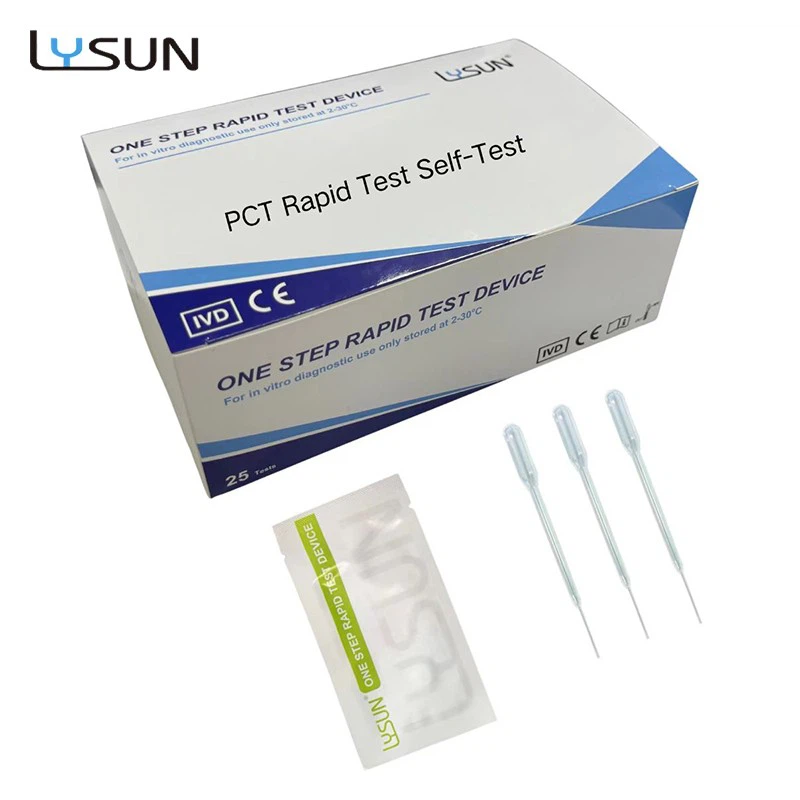
The PCT Rapid Test is designed to be user-friendly, with simple and straightforward procedures that can be easily performed by healthcare providers with minimal training. The test typically involves collecting a small blood sample, applying it to a test strip, and waiting for the results to appear. The results are usually displayed in a clear and easy-to-read format, making it easy for healthcare providers to interpret and act on the information.
This ease of use and training requirements make the PCT Rapid Test accessible to a wide range of healthcare providers, including nurses, paramedics, and general practitioners. It also allows for rapid implementation in various clinical settings, ensuring that patients can benefit from this innovative diagnostic solution as quickly as possible.
7. Integration with Electronic Health Records
Many PCT Rapid Tests are designed to be compatible with electronic health records (EHRs), allowing for seamless integration of test results into the patient's medical record. This integration enables healthcare providers to access and review the test results in real-time, along with other relevant patient information, such as medical history, medications, and laboratory results.
By integrating PCT Rapid Test results into the EHR, healthcare providers can make more informed decisions regarding patient care, track the progress of treatment, and share information with other members of the healthcare team. This interoperability improves the continuity of care and enhances the overall quality of patient management.
8. Support for Antibiotic Stewardship Programs
The PCT Rapid Test plays a crucial role in supporting antibiotic stewardship programs, which aim to promote the appropriate use of antibiotics and reduce the development of antibiotic resistance. By providing accurate and timely information about the presence and severity of infection, the PCT Rapid Test can help healthcare providers make more informed decisions regarding antibiotic therapy.

In cases where PCT levels are low, indicating a low likelihood of bacterial infection, the PCT Rapid Test can help healthcare providers avoid unnecessary antibiotic use. Conversely, in cases where PCT levels are high, indicating a high likelihood of bacterial infection, the PCT Rapid Test can help healthcare providers initiate appropriate antibiotic treatment promptly. By guiding antibiotic use based on objective data, the PCT Rapid Test can help reduce the overuse and misuse of antibiotics, which is essential for preserving the effectiveness of these life-saving medications.
Contact Us for Procurement
As a leading supplier of PCT Rapid Tests, we are committed to providing high-quality diagnostic solutions that meet the needs of healthcare providers worldwide. Our PCT Rapid Tests are backed by extensive research and development, ensuring accurate and reliable results. We also offer comprehensive training and support to ensure that healthcare providers can use our products effectively.
If you are interested in learning more about our PCT Rapid Tests or would like to discuss procurement options, please do not hesitate to contact us. We look forward to the opportunity to work with you and contribute to the improvement of patient care in your organization.
References
- Carr, J. A., & Carr, D. J. (2019). Procalcitonin-guided antibiotic therapy in the critically ill. New England Journal of Medicine, 380(2), 151 - 160.
- Stolz, D., Müller, B., Christ-Crain, M., & Schuetz, P. (2017). Procalcitonin to initiate or discontinue antibiotics in acute respiratory infections. Cochrane Database of Systematic Reviews, (11), CD007498.
- Schuetz, P., Christ-Crain, M., Thom, C., & Harbarth, S. (2012). Procalcitonin guidance of antibiotic use in lower respiratory tract infections: a meta-analysis. Lancet Infectious Diseases, 12(4), 263 - 273.