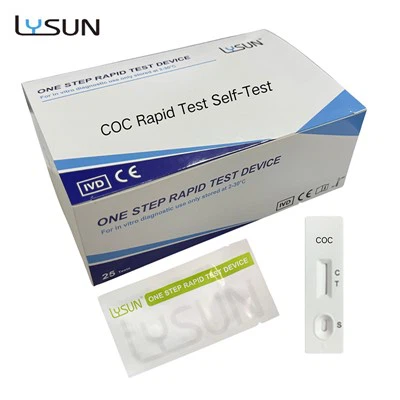

How often should I take a PCT test? This is a question that many individuals, especially those in the medical field or those concerned about their health, often ask. As a supplier of PCT tests, I'm here to provide you with some in - depth insights on this topic.
Understanding PCT Tests
Before discussing how often to take a PCT test, it's crucial to understand what a PCT test is. Procalcitonin (PCT) is a precursor of the hormone calcitonin. In healthy individuals, the levels of PCT in the blood are extremely low. However, when there is a severe bacterial infection, sepsis, or a systemic inflammatory response, the production of PCT in the body increases significantly.
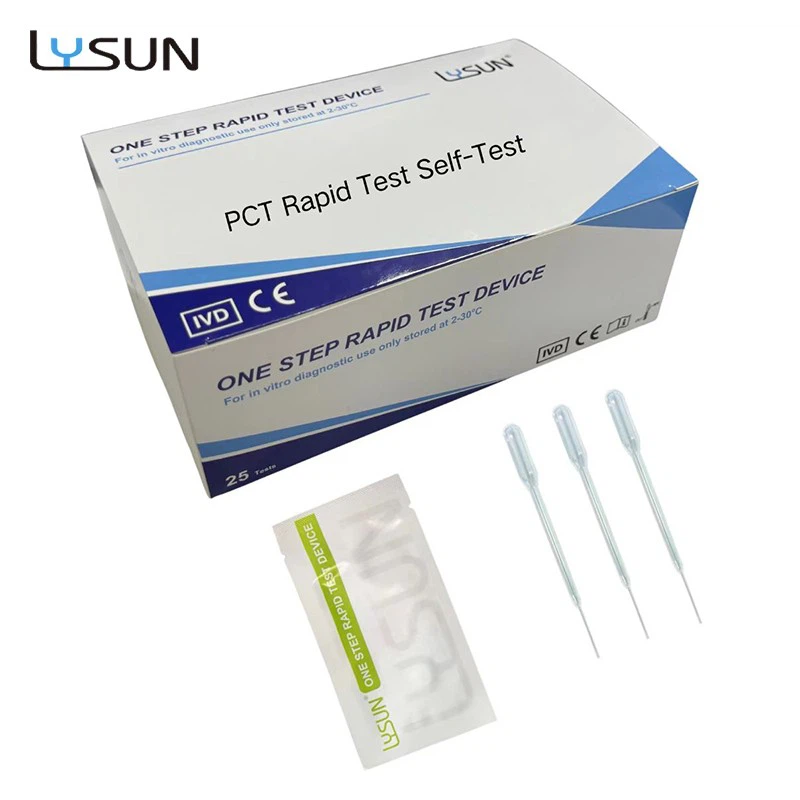
The PCT Rapid Test is a valuable diagnostic tool. It can quickly and accurately measure the level of PCT in the blood. This rapidity is essential in clinical settings, as it allows for timely decision - making regarding patient treatment. For example, in the case of a patient with suspected sepsis, a rapid PCT test can help doctors determine whether the patient has a bacterial infection and the severity of it, which in turn guides the choice of appropriate antibiotics and treatment strategies.
Factors Influencing the Frequency of PCT Testing
-
Clinical Indications
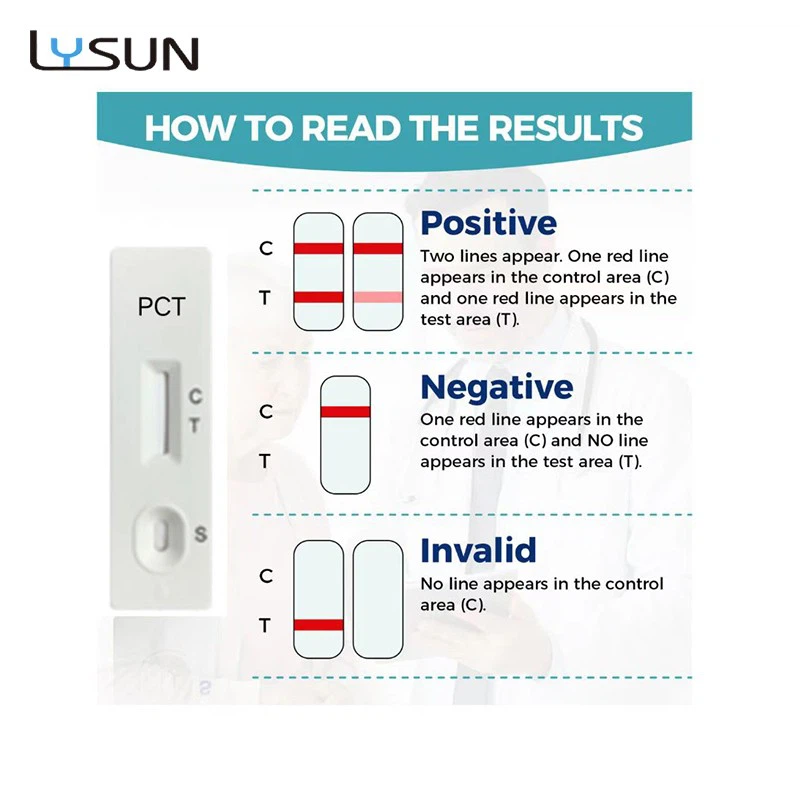
- Suspected Bacterial Infections: If a patient presents with symptoms such as fever, chills, and body aches, and a bacterial infection is suspected, a PCT test may be ordered immediately. For patients in the emergency department, a PCT test can help distinguish between bacterial and viral infections. In cases where the initial test results are inconclusive or the patient's condition does not improve as expected, repeat testing may be necessary. For example, if a patient has a high fever but the initial PCT level is only slightly elevated, a repeat test after 24 - 48 hours can help determine if the infection is progressing or if it is a false - positive result.
- Monitoring Treatment Response: Once a patient has been diagnosed with a bacterial infection and treatment has been initiated, PCT levels can be used to monitor the effectiveness of the treatment. A decreasing PCT level over time usually indicates a positive response to treatment. In contrast, if the PCT level remains high or increases, it may suggest that the treatment is not working, and adjustments to the treatment plan may be required. In a study published in the Journal of Clinical Microbiology, researchers found that serial PCT testing during antibiotic treatment could help reduce the duration of antibiotic use in patients with lower respiratory tract infections.
-
Patient Population
- ICU Patients: Patients in the intensive care unit (ICU) are at a higher risk of developing severe infections and sepsis. For these patients, PCT testing may be performed more frequently. In some ICUs, PCT tests are conducted daily or every other day to closely monitor the patient's condition. This frequent testing helps doctors make timely decisions regarding the continuation, adjustment, or discontinuation of antibiotic therapy. For example, in patients with septic shock, continuous monitoring of PCT levels can help determine the optimal duration of antibiotic treatment, which is crucial for reducing the risk of antibiotic - resistant bacteria and improving patient outcomes.
- Immunocompromised Patients: Patients with weakened immune systems, such as those with HIV/AIDS, cancer patients undergoing chemotherapy, or organ transplant recipients, are more susceptible to infections. In these patients, PCT testing may be more frequent due to their increased risk of developing severe infections. The frequency of testing may be based on the patient's underlying condition, the type of immunosuppressive therapy they are receiving, and their overall clinical status.
-
Institutional Guidelines
- Different medical institutions may have their own guidelines regarding the frequency of PCT testing. These guidelines are often based on local evidence, available resources, and the experience of the medical staff. For example, some hospitals may recommend routine PCT testing for all patients admitted with a suspected bacterial infection, while others may reserve it for high - risk patients or those with specific clinical indications.
General Recommendations on Testing Frequency
- Initial Testing
- When a bacterial infection is first suspected, a PCT test should be performed as soon as possible. This initial test provides a baseline PCT level, which can be used for comparison in subsequent tests.
- Repeat Testing
- In most cases, if the initial PCT level is normal or only slightly elevated, and the patient's clinical condition is stable, a repeat test may not be necessary. However, if the initial PCT level is significantly elevated, or if the patient's condition deteriorates or does not improve as expected, repeat testing should be considered.
- For patients being treated for a bacterial infection, a repeat PCT test is usually recommended 24 - 48 hours after the start of treatment. This allows for an assessment of the treatment response. If the PCT level has decreased by more than 50%, it is generally a good sign that the treatment is working.
- In cases where the patient's condition is critical or rapidly changing, more frequent testing may be required. For example, in patients with severe sepsis or septic shock, PCT testing may be performed every 12 - 24 hours.
Our Role as a PCT Test Supplier
As a supplier of PCT tests, we understand the importance of providing high - quality, reliable tests. Our PCT Rapid Test is designed to meet the needs of various clinical settings, from large hospitals to small clinics. Our tests are easy to use, provide accurate results quickly, and are backed by extensive research and development.
We also offer comprehensive technical support to our customers. Our team of experts can provide guidance on test interpretation, help with setting up testing protocols, and answer any questions regarding the use of our PCT tests. Whether you are a doctor, a nurse, or a laboratory technician, we are here to support you in making the best use of our products.
Contact Us for Procurement
If you are interested in purchasing our PCT tests, we invite you to contact us for more information. Our sales team is ready to discuss your specific requirements, provide pricing details, and assist you in placing an order. We believe that our high - quality PCT tests can play an important role in improving patient care and clinical decision - making. Don't hesitate to reach out to us to start a productive discussion about your procurement needs.
References
- Journal of Clinical Microbiology: Serial PCT testing during antibiotic treatment in lower respiratory tract infections.
- Various institutional guidelines on PCT testing in different medical settings.