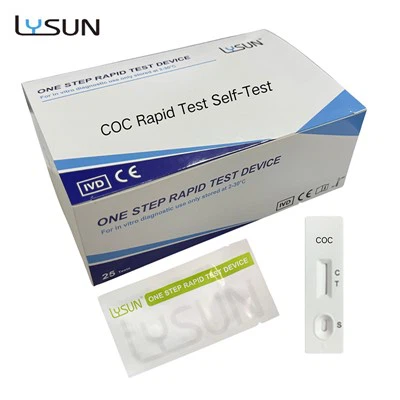

What is a FOB Rapid Test?
A FOB rapid test, also known as a fecal occult blood rapid test, is a diagnostic tool designed to detect hidden blood in the feces. This type of test is crucial for the early detection of various gastrointestinal conditions, including colorectal cancer, polyps, and ulcers. The test works by detecting the presence of hemoglobin, a protein found in red blood cells, in the stool sample. If hemoglobin is present, it indicates that there is bleeding somewhere in the digestive tract.
The FOB rapid test is a non - invasive and convenient method. Patients can collect their stool samples at home and then perform the test using a kit. The results are usually available within a short period, often within minutes. This makes it an ideal screening tool for large - scale population screening programs. For those interested in learning more about home - based FOB testing, you can visit Home FOB Test.
What is an Antigen Test?
An antigen test is a type of diagnostic test that detects specific proteins, called antigens, on the surface of pathogens such as viruses, bacteria, or fungi. In the context of the current global situation, antigen tests are most commonly associated with the detection of the SARS - CoV - 2 virus, which causes COVID - 19.
Antigen tests work by using antibodies that are designed to bind to specific antigens on the pathogen. When a sample (such as a nasal swab) is collected from a patient and mixed with the test reagents, if the target antigen is present in the sample, it will bind to the antibodies, producing a visible signal, usually in the form of a colored line on a test strip.
Antigen tests are known for their rapid turnaround time, with results typically available within 15 - 30 minutes. They are also relatively inexpensive and easy to perform, which makes them suitable for mass screening in settings such as schools, workplaces, and community centers.
Differences in Test Purpose
The primary difference between a FOB rapid test and an antigen test lies in their purposes. The FOB rapid test is focused on detecting blood in the feces, which can be an early sign of gastrointestinal diseases. Early detection of blood in the stool through a FOB rapid test can lead to timely diagnosis and treatment of conditions like colorectal cancer, which has a high survival rate if detected in its early stages.
On the other hand, antigen tests are mainly used to detect the presence of pathogens in the body. For example, COVID - 19 antigen tests are used to identify individuals who are currently infected with the SARS - CoV - 2 virus. These tests play a crucial role in controlling the spread of infectious diseases by quickly identifying infected individuals so that they can be isolated and treated.


Differences in Sample Collection
Another significant difference is in the sample collection method. For a FOB rapid test, the sample is feces. Patients are provided with a collection kit that usually includes a container and a sampling device. They are instructed on how to collect a small amount of stool and transfer it to the container. The collection process is relatively straightforward but requires some attention to hygiene to avoid contamination.
In contrast, antigen tests typically require a different type of sample. For COVID - 19 antigen tests, a nasal or throat swab is usually collected. A healthcare provider or the patient themselves (in some self - testing kits) inserts a swab into the nasal cavity or the back of the throat to collect cells that may contain the virus. The swab is then placed in a test tube with a buffer solution and mixed to release the antigens for testing.
Differences in Test Sensitivity and Specificity
Sensitivity and specificity are important parameters in evaluating the performance of diagnostic tests. Sensitivity refers to the ability of a test to correctly identify positive cases, while specificity refers to the ability of a test to correctly identify negative cases.
The sensitivity of a FOB rapid test can vary depending on the type of test and the prevalence of the disease in the population being tested. Some FOB rapid tests may have a sensitivity of around 70 - 80% for detecting colorectal cancer. False - negative results can occur if the bleeding in the digestive tract is intermittent or if the amount of blood in the stool is very small.
Antigen tests, especially for COVID - 19, also have variable sensitivity. In general, antigen tests are less sensitive than nucleic acid amplification tests (such as PCR tests). Their sensitivity can range from 50 - 90%, depending on factors such as the stage of the infection and the quality of the test kit. However, antigen tests usually have high specificity, meaning that they are very good at correctly identifying negative cases.
Differences in Clinical Significance
The clinical significance of the two tests also differs. A positive FOB rapid test result is an indication that further investigation is needed. It does not necessarily mean that a patient has cancer; it could be due to other conditions such as hemorrhoids, inflammatory bowel disease, or peptic ulcers. However, it serves as a red flag for doctors to order more comprehensive tests, such as colonoscopy, to determine the exact cause of the bleeding.
A positive antigen test result, for example, in the case of COVID - 19, means that the individual is likely to be infected with the virus. This has immediate implications for public health, as the infected person should be isolated to prevent further spread of the disease. They may also be advised to seek medical advice and start appropriate treatment.
Advantages of FOB Rapid Tests
As a FOB rapid test supplier, I can attest to the many advantages of these tests. Firstly, they are non - invasive, which makes them more acceptable to patients compared to more invasive procedures like colonoscopy. This encourages more people to participate in screening programs, increasing the chances of early detection of gastrointestinal diseases.
Secondly, FOB rapid tests are cost - effective. They are relatively inexpensive to produce and can be easily distributed. This makes them accessible to a wide range of populations, including those in low - resource settings.
Finally, the quick turnaround time of FOB rapid tests allows for prompt decision - making. Patients can get their results within minutes, and if positive, they can be referred for further testing and treatment without delay.
Why Choose Our FOB Rapid Tests?
Our FOB rapid tests are of the highest quality. We use advanced technology to ensure accurate and reliable results. Our tests have been rigorously tested in clinical trials to meet the highest standards of sensitivity and specificity.
We also offer excellent customer support. Our team of experts is available to answer any questions that healthcare providers or patients may have about the test. We can provide training on how to use the test kits correctly and ensure that the results are interpreted accurately.
In addition, we are committed to providing a stable supply of FOB rapid tests. We understand the importance of having an uninterrupted supply for screening programs and clinical practice. Whether you are a large - scale healthcare institution or a small private clinic, we can meet your needs.
Contact Us for Procurement
If you are interested in purchasing our FOB rapid tests, we invite you to contact us for a detailed discussion. We can provide you with more information about our products, pricing, and delivery options. Our team is eager to work with you to ensure that you have access to the best FOB rapid tests on the market.
References
- American Cancer Society. (2023). Colorectal Cancer Screening Tests.
- Centers for Disease Control and Prevention. (2023). COVID - 19 Testing: Antigen Tests.
- World Health Organization. (2023). Guidelines on Diagnostic Testing for COVID - 19.