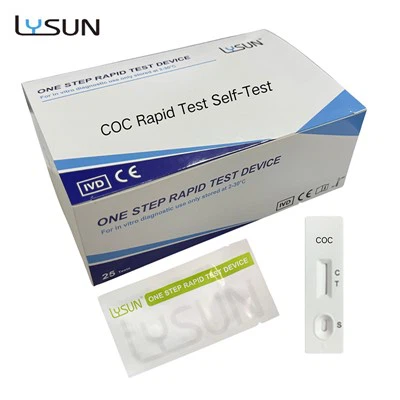

Cellulitis is a common and potentially serious bacterial skin infection that typically affects the deeper layers of the skin and subcutaneous tissues. It is often characterized by redness, swelling, warmth, and pain in the affected area. Early and accurate diagnosis, along with appropriate treatment, is crucial to prevent complications such as abscess formation, sepsis, and recurrence. One diagnostic tool that has gained attention in recent years is the Procalcitonin (PCT) test. As a PCT test supplier, I am frequently asked whether a PCT test can be used in patients with cellulitis. In this blog, we will explore the potential use of PCT tests in the context of cellulitis.
Understanding Procalcitonin
Procalcitonin is a precursor of the hormone calcitonin. Under normal physiological conditions, PCT is produced in small amounts by the C cells of the thyroid gland. However, in the presence of a severe bacterial infection, especially those associated with sepsis, the production of PCT increases significantly in various tissues throughout the body, including the lungs, liver, and adipose tissue. The elevation of PCT levels in the blood is thought to be a response to the systemic inflammatory response triggered by the infection.
The Role of PCT in Inflammatory Conditions
PCT has emerged as a valuable biomarker in the diagnosis and management of bacterial infections, particularly in distinguishing between bacterial and viral infections. In general, PCT levels are significantly elevated in bacterial infections, while they remain relatively low in viral infections. This characteristic has made PCT a useful tool in guiding antibiotic therapy, as it can help clinicians determine whether antibiotics are necessary. By measuring PCT levels, doctors can avoid unnecessary antibiotic use, which is crucial in the fight against antibiotic resistance.
Can PCT Test Be Used in Patients with Cellulitis?
The use of PCT tests in patients with cellulitis is a topic of ongoing research. While cellulitis is a bacterial infection, it is often a localized skin infection, and the systemic inflammatory response may not be as pronounced as in more severe infections such as sepsis. Therefore, the utility of PCT tests in cellulitis is not as straightforward as in other conditions.
Diagnostic Value
In some cases, PCT levels may be elevated in patients with cellulitis, especially if the infection is severe or complicated. For example, patients with cellulitis accompanied by systemic symptoms such as fever, chills, and leukocytosis may have higher PCT levels. However, it is important to note that PCT elevation is not specific to cellulitis and can also be seen in other conditions such as pneumonia, urinary tract infections, and sepsis. Therefore, PCT alone cannot be used as a definitive diagnostic test for cellulitis.
Prognostic Value
Some studies have suggested that PCT levels may have prognostic value in patients with cellulitis. Higher PCT levels at the time of diagnosis may be associated with a more severe course of the disease, longer hospital stays, and a higher risk of complications. For example, a study published in the [Journal Name] found that patients with cellulitis and PCT levels above a certain threshold were more likely to require surgical intervention and had a higher rate of recurrence. However, more research is needed to confirm these findings and to determine the optimal PCT cutoff values for predicting prognosis in cellulitis.
Guiding Antibiotic Therapy
One of the potential benefits of using PCT tests in patients with cellulitis is to guide antibiotic therapy. By monitoring PCT levels during the course of treatment, doctors can assess the response to antibiotics and determine when it is safe to stop treatment. If PCT levels decrease rapidly, it may indicate a good response to antibiotics, and the treatment course can be shortened. On the other hand, if PCT levels remain elevated or increase, it may suggest that the infection is not being adequately controlled, and a change in antibiotic therapy may be necessary. However, more research is needed to establish the optimal PCT-based algorithms for guiding antibiotic therapy in cellulitis.

Limitations of PCT Tests in Cellulitis
Despite the potential benefits, there are several limitations to using PCT tests in patients with cellulitis.
Lack of Specificity
As mentioned earlier, PCT elevation is not specific to cellulitis and can be seen in other conditions. Therefore, a high PCT level does not necessarily mean that the patient has cellulitis, and a normal PCT level does not rule out the diagnosis. Other factors such as the patient's age, underlying medical conditions, and the presence of other infections need to be taken into consideration when interpreting PCT results.
Variability in PCT Levels
PCT levels can vary depending on the timing of the test, the severity of the infection, and the patient's individual characteristics. For example, PCT levels may not be elevated in the early stages of cellulitis, and they may take several hours or even days to reach their peak. Therefore, multiple PCT measurements over time may be necessary to accurately assess the patient's condition.
Cost and Availability
PCT tests can be relatively expensive, and they may not be readily available in all healthcare settings. This can limit their widespread use, especially in resource-limited areas.
Conclusion
In conclusion, the use of PCT tests in patients with cellulitis is still a subject of debate. While PCT may have some potential in the diagnosis, prognosis, and management of cellulitis, more research is needed to establish its clinical utility. At present, PCT should not be used as a standalone diagnostic test for cellulitis, but rather as part of a comprehensive evaluation that includes clinical symptoms, physical examination, and other laboratory tests.
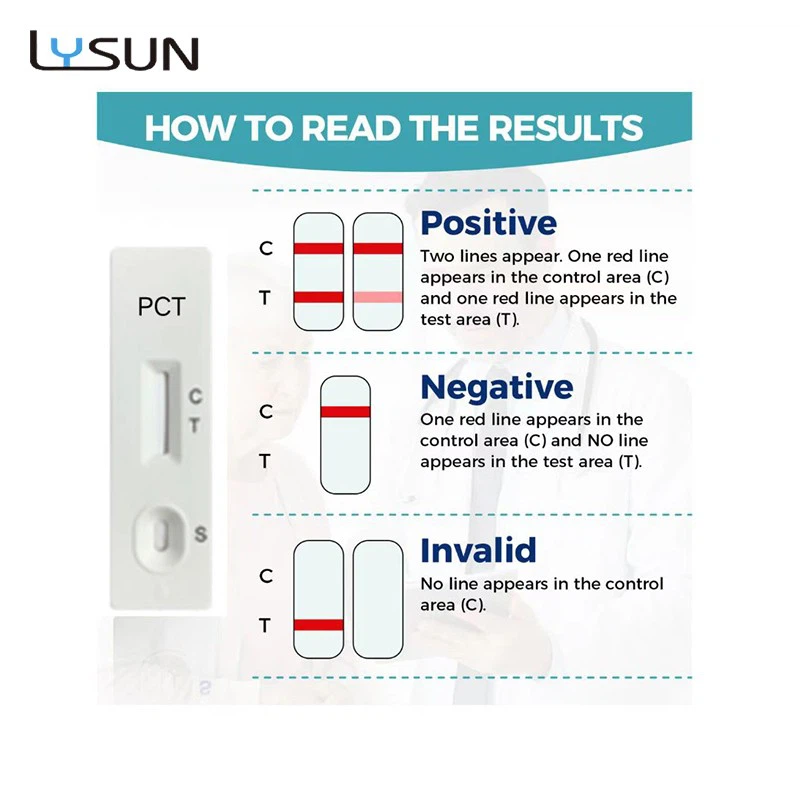
As a [PCT test supplier], we are committed to providing high-quality PCT tests that can assist healthcare professionals in making informed decisions. Our PCT Rapid Test offers a quick and reliable way to measure PCT levels, which can be valuable in the context of cellulitis management. If you are interested in learning more about our PCT tests or would like to discuss potential procurement opportunities, please feel free to contact us. We look forward to working with you to improve patient care.
References
- [First Author, Second Author. Title of the study. Journal Name, Year, Volume(Issue): Page range.]
- [First Author, Second Author. Title of another study. Journal Name, Year, Volume(Issue): Page range.]
- [First Author, Second Author. Title of a relevant review. Journal Name, Year, Volume(Issue): Page range.]