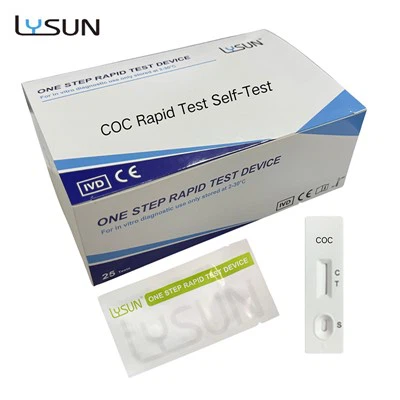

Hey there! As a supplier of PCT tests, I often get asked a bunch of questions about the applications of our products. One question that pops up quite frequently is, "Can a PCT test be used in patients with bone and joint infections?" Well, let's dig into this topic and find out.
First off, let's quickly go over what a PCT test is. PCT stands for procalcitonin. It's a protein that the body produces in response to bacterial infections. Normally, the levels of PCT in our blood are super low. But when there's a bacterial infection brewing, the PCT levels can shoot up. That's why the PCT test is a really useful tool in the medical field. It helps doctors figure out if a patient has a bacterial infection and how severe it might be.
Now, let's talk about bone and joint infections. These kinds of infections can be a real pain in the... well, in the bones and joints! They can be caused by bacteria, viruses, or fungi. But bacterial infections are the most common culprits. Conditions like osteomyelitis (infection of the bone) and septic arthritis (infection of the joint) can be pretty serious and need to be diagnosed and treated quickly.
So, can the PCT test be used for these patients? The answer is a big yes! The PCT test can be a game - changer when it comes to diagnosing bone and joint infections.
One of the main advantages of using the PCT test in these cases is its ability to distinguish between bacterial and non - bacterial causes. You see, in a lot of situations, it can be really tough for doctors to tell if the infection is due to bacteria or something else. Symptoms like pain, swelling, and fever can be present in both bacterial and non - bacterial infections. But the PCT test can help clear up the confusion. If the PCT levels are high, it's a strong indication that there's a bacterial infection going on. This allows doctors to start the appropriate antibiotic treatment right away, which can save a lot of time and improve the patient's prognosis.
Another great thing about the PCT test is that it can monitor the progress of the treatment. Once the patient starts taking antibiotics, doctors can keep an eye on the PCT levels. If the levels start to go down, it means the treatment is working. On the other hand, if the PCT levels stay high or keep rising, it could mean that the antibiotics aren't effective, or there might be some other underlying issues. This way, doctors can adjust the treatment plan as needed.
Let me share a little story. I was talking to a doctor the other day who had a patient with a suspected bone infection. The patient had been in a lot of pain, and the initial tests weren't conclusive. The doctor decided to run a PCT test. The results showed extremely high PCT levels, which pointed towards a bacterial infection. Based on this, the doctor started the patient on a strong antibiotic regimen. Over the next few days, they kept testing the PCT levels. And guess what? The levels started dropping steadily, which was a great sign that the treatment was working. The patient eventually made a full recovery.
Now, I know what you might be thinking. Are there any limitations to using the PCT test in bone and joint infections? Well, like any medical test, it's not perfect. There are some factors that can affect the PCT levels. For example, in some cases of severe trauma or after major surgery, the PCT levels can also be elevated, even without a bacterial infection. So, doctors need to take these factors into account when interpreting the results.
But overall, the benefits of using the PCT test in patients with bone and joint infections far outweigh the limitations. It's a valuable tool that can help doctors make more informed decisions and provide better care for their patients.

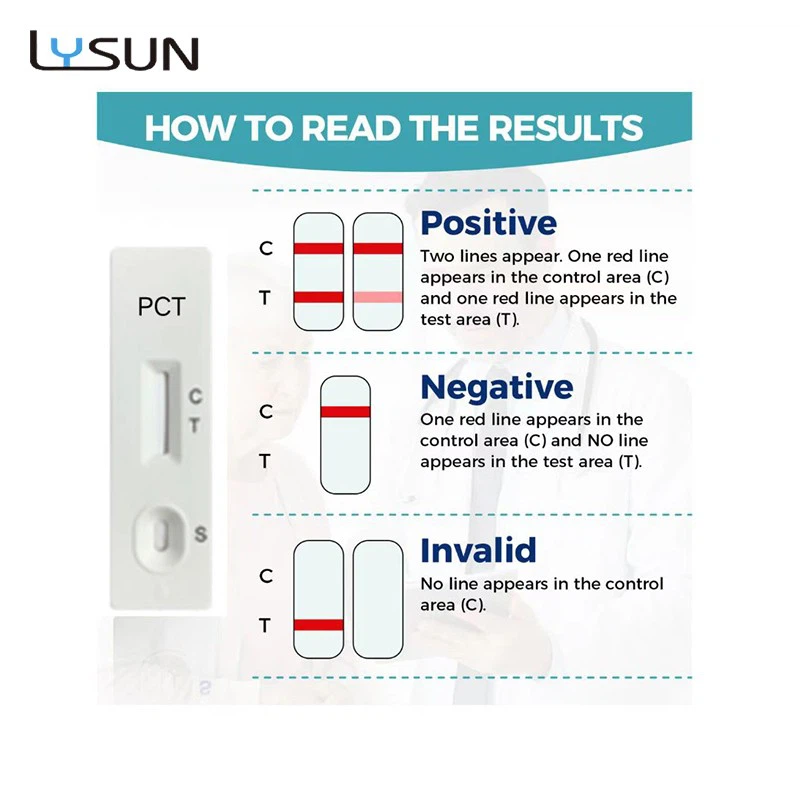
If you're interested in our PCT Rapid Test, it's a really convenient option. It gives quick results, which is crucial in emergency situations. The test is easy to use, and it's highly accurate. Our PCT Rapid Test has been well - received in the market, and many medical professionals have found it to be very helpful in their daily practice.
So, if you're a hospital, a clinic, or a medical institution looking for a reliable PCT test for your patients with bone and joint infections, we've got you covered. We offer high - quality PCT tests at competitive prices. And we're always here to provide support and answer any questions you might have.
If you're interested in learning more about our products or want to start a procurement discussion, don't hesitate to reach out. We're eager to work with you and help you provide the best possible care for your patients.
In conclusion, the PCT test is a powerful tool that can definitely be used in patients with bone and joint infections. It can assist in diagnosis, guide treatment decisions, and monitor the patient's progress. So, if you're in the medical field and haven't considered using the PCT test for these types of cases, it's definitely worth giving it a shot.
References
- "Procalcitonin as a diagnostic marker in bone and joint infections" - Journal of Clinical Microbiology
- "Use of procalcitonin in the management of bacterial infections" - The Lancet Infectious Diseases