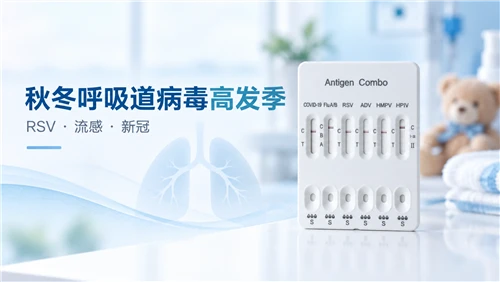
Group A Streptococcus antigen testing is generally used to check whether a patient is infected with Group A Streptococcus. During the testing process, it's important to remain calm and cooperate fully to avoid inaccurate results.
Group A Streptococcus is a common bacterium, also known as pyogenic streptococcus, and is quite dangerous. It typically infects the body through wounds on the skin or in the throat. Infection with Group A Streptococcus can cause inflammatory diseases, and even lead to scarlet fever, necrotizing conjunctivitis, erysipelas, and meningitis.
Detecting Group A Streptococcus infection requires a Group A Streptococcus antigen test, which generally involves bacterial culture and urine examination. A positive result generally indicates a Group A Streptococcus infection. A negative result generally indicates no Group A Streptococcus infection.

If infected with Group A Streptococcus, symptoms may include fever, sore throat, and muscle aches. In such cases, it is recommended to consult an infectious disease specialist as soon as possible and receive targeted treatment based on the underlying cause. Generally, anti-infection treatment requires medication such as levofloxacin hydrochloride tablets, amoxicillin capsules, erythromycin enteric-coated tablets, and azithromycin tablets, as prescribed by a doctor. If a local abscess forms, incision and drainage may be performed as directed by the doctor. During treatment, regular blood tests are necessary to monitor the patient's recovery.