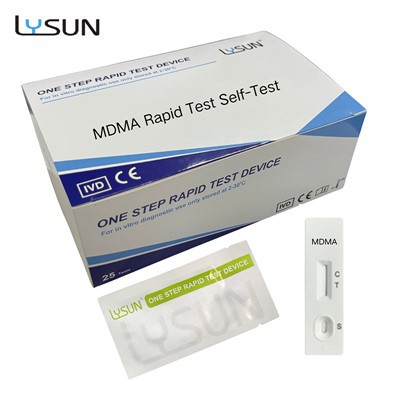


Serum PCT Blood Test is used to assess the presence of bacterial infections in the body. High PCT levels can often be a sign of bacterial infections. This test can help diagnose the following diseases: Bacterial Pneumonia: It can be used to diagnose bacterial pneumonia, an infection of the lungs.


|
Product name |
PCT Rapid Test Device |
|
Item type |
PCT-W21 |
|
Specimens |
Whole blood/Plasma/Serum |
|
Shelf life |
2 years |
|
Test Time |
Waiting about 15 minutes |
|
Certificate |
CE, ISO:13485 |
|
OEM |
Acceptable |
|
Storage condition |
The kit should be stored at 2-30°C |
PROCEDURE
Allow the test device, urine specimen, and/or controls to equilibrate to room temperature (15‐30℃) prior to testing.
1. Bring the pouch to room temperature before opening it. Remove the test device from the sealed pouch and use it as soon as possible.
2. Place the test device on a clean and level surface. Hold the dropper vertically and transfer 3 full drops of urine (approx. 100 μL) to the specimen well (S) of the test device, and then start the timer. Avoid trapping air bubbles in the specimen well (S).
3. Wait for the red line(C) to appear. The result should be read at 5 minutes. Do not interpret the result after 10 minutes.
FAQ
Q: What does it mean when your PCT level is high?
A: High procalcitonin levels mean that you: Most likely have sepsis. May have a high risk of developing severe sepsis and septic shock, a life-threatening condition when your organs don't get enough blood to work properly. May have a serious systemic bacterial infection that increases your risk for sepsis.
Q: What is a PCT test done for?
A: The Procalcitonin test, known as PCT, is used to measure the level of procalcitonin in the blood. It is an important indicator in cases of bacterial infection and the development of sepsis.
Q: What happens if PCT is low?
A: If your indicative PCT count is lower than the reference range for our laboratory: This is also known as thrombocytopenia. Causes of this may include medications, infections, liver disease or some autoimmune conditions. In rare cases a low PCT can be sign of a blood cancer or other blood disorder.
Q: How to reduce PCT in blood?
A:After appropriate antibiotic treatment, serum PCT level decrease within the first 24 hours. After appropriate antibiotic teatment, serum CRP level decrease between days 2 and 3.
Q: What raises PCT?
A: Factors which may cause a raised PCT apart from a bacterial infection include recent major surgery,14 severe trauma,15 severe burns16 and prolonged cardiogenic shock.
Q: Is PCT a tumor marker?
A:Discussion: PCT is a sensitive marker of sepsis or localized infection in patients with solid tumors, but its specificity is poor. The CRP/PCT ratio improves specificity, thus providing a reliable means of ruling out infection for values above 95.
Q:
What organs affect PCT levels?
A: PCT is synthesized primarily by the C-cells of the thyroid gland, and to a lesser extent in the neuroendocrine tissue of other organs such as the lungs and intestines. Normal procalcitonin levels in the blood are very low.
Hot Tags: serum pct blood test, China serum pct blood test manufacturers, suppliers, factory, PCT Rapid Test, Procalcitonin Test, PCT For Test, pct test