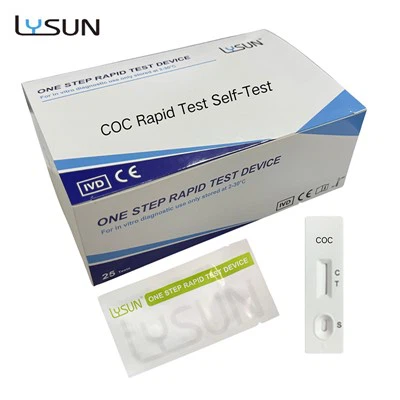

Hey there! As a supplier of amp tests, I've seen firsthand how various factors can mess with the results of these tests. It's super important to understand these factors, whether you're using these tests for personal reasons, in a workplace setting, or in a medical environment. So, let's dive into what can affect the results of an amp test.
1. Quality of the Test Kit
The quality of the test kit you're using is a huge deal. Cheaper or low - quality test kits might not be as accurate as the ones that are well - made. When we produce our Amphetamine Drug Test, we use high - grade materials and follow strict manufacturing standards. This ensures that the test can accurately detect the presence of amphetamines in a sample.
Low - quality kits may have issues like inconsistent reagents. Reagents are the chemicals in the test that react with amphetamines. If these reagents aren't mixed properly or are of poor quality, they might not give a correct result. For example, they could give a false positive, where the test says there are amphetamines in the sample when there aren't, or a false negative, which means the test says there are no amphetamines when there actually are.
2. Sample Collection
How you collect the sample for the amp test can also have a big impact on the results. Most amp tests use urine samples, and the way you collect that urine matters.
First of all, the sample needs to be fresh. If the urine sits around for too long, bacteria can start to grow in it, and this can change the chemical composition of the urine. For example, some bacteria can break down the amphetamines in the urine, leading to a false negative result.


It's also important to collect a clean sample. If there's any contamination from external sources like dirt, soap, or other substances, it can interfere with the test. For instance, if you accidentally get some soap in the urine sample during collection, it could react with the test reagents and give an inaccurate result.
3. Medications and Supplements
A lot of people don't realize that certain medications and supplements can affect the results of an amp test. Some over - the - counter (OTC) medications contain ingredients that are similar to amphetamines. For example, some cold and allergy medications have pseudoephedrine, which can be detected by the test and may cause a false positive.
Prescription medications can also be a problem. Some ADHD medications, like Adderall, contain amphetamines. If someone is taking these medications as prescribed, it's normal for the test to show a positive result. But if the person doesn't disclose that they're taking these medications, it can lead to misunderstandings.
Supplements can also play a role. Some energy supplements have ingredients that might cross - react with the test reagents. So, if you're taking any medications or supplements, it's a good idea to tell whoever is conducting the test so they can take that into account.
4. Body Metabolism
Everyone's body metabolizes substances differently. Some people have a faster metabolism, which means they break down and eliminate amphetamines from their bodies more quickly. Others have a slower metabolism, and the amphetamines can stay in their system for longer.
For example, a person with a fast metabolism might take an amphetamine and have it out of their system within a couple of days, while someone with a slower metabolism could still test positive for amphetamines a week later. This is why it's hard to give a one - size - fits - all answer about how long amphetamines can be detected in the body.
Factors like age, gender, body weight, and overall health can all influence metabolism. Older people generally have a slower metabolism than younger people, and men and women may metabolize substances differently too.
5. Storage Conditions
The way you store the test kits before and after use can affect their performance. Test kits should be stored in a cool, dry place. If they're exposed to high temperatures or humidity, it can damage the test reagents.
For example, if a test kit is left in a hot car for a long time, the heat can cause the chemicals in the kit to break down. This can make the test less sensitive and more likely to give inaccurate results.
After you've used the test, it's also important to store the used sample properly if you need to keep it for further analysis. If the sample is stored at the wrong temperature, it can degrade and give unreliable results.
6. Testing Environment
The environment where you conduct the test can have an impact too. If the test is done in a place with extreme temperatures or high humidity, it can affect the chemical reactions in the test.
For instance, in a very cold environment, the reagents in the test might not react as quickly or as effectively. This could lead to a false negative result because the test might not detect the amphetamines even if they're present in the sample.
On the other hand, in a very hot and humid environment, the test strip might dry out too quickly, and this can also mess up the results.
7. User Error
Let's face it, we're all human, and mistakes can happen when using an amp test. Not following the instructions correctly is a common user error. For example, some tests require you to wait a certain amount of time before reading the results. If you read the results too soon or too late, it can give an inaccurate result.
Another common mistake is not using the correct amount of sample. If you don't put enough urine on the test strip or if you flood it with too much urine, it can affect how the test reagents react and give an incorrect result.
8. Cut - off Levels
Each amp test has a cut - off level, which is the minimum amount of amphetamines that the test can detect. Different tests have different cut - off levels, and this can affect the results.
If the cut - off level is set too high, the test might miss low levels of amphetamines in the sample, leading to a false negative. On the other hand, if the cut - off level is set too low, the test might be too sensitive and detect very small amounts of substances that aren't actually amphetamines, causing a false positive.
As a supplier, we make sure our Amp Rapid Test has an appropriate cut - off level to balance between sensitivity and specificity.
In conclusion, there are many factors that can affect the results of an amp test. Understanding these factors is crucial for getting accurate and reliable results. Whether you're an individual, an employer, or a medical professional, being aware of these factors can help you interpret the test results correctly.
If you're in the market for high - quality amp tests, we're here to help. We've been in the business for a long time, and we know how important it is to have accurate test results. Whether you need a small number of tests for personal use or a large quantity for a workplace or medical facility, we can provide you with the right solutions. Contact us to start a discussion about your amp test needs, and let's work together to ensure you get the best results.
References
- Drug Testing Handbook, 3rd Edition
- Journal of Analytical Toxicology articles on drug test accuracy