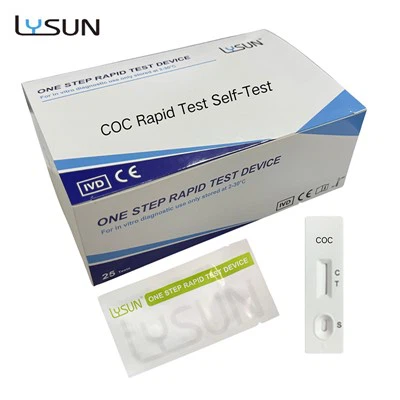

In the field of drug testing, mop tests, specifically Morphine Test, play a crucial role in detecting the presence of morphine in biological samples. As a mop test supplier, I have witnessed firsthand the various mistakes that can occur during the testing process. These errors can lead to inaccurate results, which can have serious consequences for the individuals being tested and the organizations relying on the test outcomes. In this blog post, I will explore some of the common mistakes in a mop test and provide insights on how to avoid them.
1. Improper Sample Collection
One of the most fundamental mistakes in a mop test is improper sample collection. The accuracy of the test results heavily depends on the quality and integrity of the sample being analyzed. When collecting urine, saliva, or other biological samples for a Morphine (MOP) Rapid Test, it is essential to follow strict protocols.
- Inadequate Volume: Collecting an insufficient amount of sample can lead to inaccurate results. Each test kit has specific volume requirements, and failing to meet these can affect the chemical reactions within the test, resulting in false negatives or positives.
- Contaminated Samples: Samples can easily become contaminated if proper collection procedures are not followed. For example, if the collection container is not clean or if the individual collecting the sample touches the inside of the container, it can introduce foreign substances that interfere with the test.
- Incorrect Timing: The timing of sample collection is also critical. For urine tests, the first morning urine is often preferred as it has the highest concentration of drugs. Collecting the sample at the wrong time may result in a lower concentration of the target substance, leading to false negatives.
To avoid these issues, it is important to provide clear instructions to the individuals collecting the samples. Quality control measures should be in place to ensure that the samples are collected correctly and stored properly until testing.
2. Mishandling of Test Kits
Another common mistake is the mishandling of test kits. Test kits are sensitive devices that require proper storage, handling, and usage to provide accurate results.


- Expired Kits: Using expired test kits is a significant error. Over time, the chemicals in the test kits can degrade, leading to inaccurate results. It is essential to regularly check the expiration dates of the test kits and dispose of any expired ones immediately.
- Improper Storage: Test kits should be stored under the recommended conditions, usually at a specific temperature and humidity range. Storing the kits in extreme conditions can damage the components and affect their performance. For example, high temperatures can cause the reagents to degrade, while low temperatures can cause them to freeze and lose their effectiveness.
- Incorrect Reagent Addition: When performing the test, it is crucial to add the reagents in the correct order and amount. Failing to do so can disrupt the chemical reactions and result in incorrect results. Additionally, the reagents should be mixed thoroughly to ensure uniform distribution.
To prevent these problems, it is necessary to train the personnel responsible for handling the test kits. They should be aware of the proper storage conditions and the correct procedures for performing the tests.
3. Incorrect Interpretation of Results
Even when the sample is collected correctly and the test kit is handled properly, incorrect interpretation of the results can still occur. Mop tests typically provide results in the form of lines or color changes, and it is essential to understand how to read these results accurately.
- Misreading the Control Line: The control line is an essential part of the test as it indicates that the test is working correctly. If the control line does not appear, the test is invalid, and a new test should be performed. However, some individuals may misinterpret the absence of the control line as a negative result, leading to false conclusions.
- Ignoring the Cut - off Level: Each mop test has a specific cut - off level, which is the minimum concentration of the target substance that the test can detect. If the concentration of morphine in the sample is below the cut - off level, the test will show a negative result. However, some people may misinterpret a negative result as an indication that the individual has not used morphine at all, without considering the cut - off level.
- Subjective Interpretation: In some cases, the interpretation of the test results can be subjective. For example, a faint line may be difficult to distinguish, and different individuals may interpret it differently. To minimize this issue, it is recommended to use a magnifying glass or follow the manufacturer's guidelines for interpreting faint lines.
To ensure accurate interpretation of results, it is important to provide comprehensive training to the individuals responsible for reading the test results. They should be familiar with the test kit's instructions and the significance of each line or color change.
4. Lack of Quality Control
Quality control is an essential aspect of any testing process, and mop tests are no exception. Failing to implement proper quality control measures can lead to unreliable results.
- Absence of Calibration: Test kits need to be calibrated regularly to ensure accurate results. Calibration involves comparing the test kit's performance against a known standard. Without calibration, the test results may be inaccurate, leading to false positives or negatives.
- Failure to Run Control Samples: Running control samples alongside the test samples is a crucial quality control step. Control samples contain a known concentration of the target substance, and they are used to verify the accuracy of the test. If the control samples do not produce the expected results, it indicates a problem with the test kit or the testing process.
- Inadequate Record - Keeping: Keeping detailed records of the testing process is essential for quality control. Records should include information such as the date and time of the test, the batch number of the test kit, the results of the control samples, and the identity of the individuals being tested. Without proper record - keeping, it can be difficult to track any issues that may arise during the testing process.
To maintain high - quality testing, it is necessary to establish a comprehensive quality control program. This program should include regular calibration of test kits, running of control samples, and detailed record - keeping.
5. Lack of Training
A lack of training among the personnel performing the mop tests is a significant contributing factor to the common mistakes. Without proper training, individuals may not be aware of the correct procedures for sample collection, test kit handling, result interpretation, and quality control.
- Insufficient Knowledge of the Test Principle: Understanding the principle behind the mop test is crucial for accurate testing. If the personnel do not understand how the test works, they may not be able to identify potential issues or interpret the results correctly.
- Lack of Hands - on Experience: Practical experience is also essential for performing mop tests accurately. Without hands - on training, individuals may make mistakes during the testing process, such as improper sample collection or incorrect reagent addition.
- Failure to Keep Up with Updates: The field of drug testing is constantly evolving, and new test kits and techniques are being developed. If the personnel are not trained on the latest updates, they may continue to use outdated methods or misinterpret the results of new test kits.
To address this issue, it is important to provide regular training to the personnel involved in the testing process. The training should cover all aspects of the mop test, including sample collection, test kit handling, result interpretation, and quality control.
Conclusion
In conclusion, there are several common mistakes in a mop test, including improper sample collection, mishandling of test kits, incorrect interpretation of results, lack of quality control, and lack of training. By being aware of these mistakes and taking steps to avoid them, we can ensure the accuracy and reliability of the mop test results.
As a mop test supplier, we are committed to providing high - quality test kits and comprehensive support to our customers. If you are interested in purchasing our mop test products or have any questions about the testing process, please feel free to contact us for further discussion. We look forward to working with you to ensure accurate and reliable drug testing.
References
- Manufacturer's instructions for Morphine Test and Morphine (MOP) Rapid Test
- Industry standards and guidelines for drug testing
- Research papers on the accuracy and reliability of drug tests