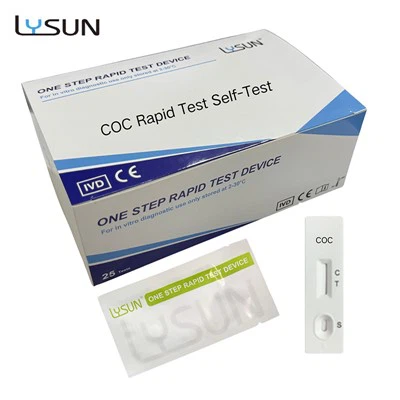

As a supplier of THC tests, I've witnessed firsthand the pivotal role that testing methods play in various industries, from healthcare to workplace safety. The selection of a THC testing method is often influenced by several factors, with cost being a significant consideration. In this blog, we'll delve into how different THC testing methods vary in price, exploring the underlying factors that contribute to these differences and what it means for buyers.
The Landscape of THC Testing Methods
Before discussing prices, it's essential to understand the different types of THC testing methods available. These include urine tests, saliva tests, blood tests, and hair tests. Each method has its own set of advantages, disadvantages, and price points.
Urine tests are one of the most common methods for detecting THC. They are relatively simple to administer and can provide results within a short period. The technology behind urine tests has been well - established for many years, which contributes to their widespread use. A urine THC Rapid Test is often the go - to option for quick and cost - effective screening.
Saliva tests, on the other hand, are non - invasive and can be conducted on - site with minimal equipment. They are ideal for situations where immediate results are required, such as roadside drug testing. The ability to obtain a sample quickly and easily makes saliva tests a popular choice, but they have a shorter detection window compared to urine tests.
Blood tests are the most accurate method for detecting recent THC use. They directly measure the concentration of THC in the bloodstream. However, blood tests are invasive, require trained medical personnel for sample collection, and are generally more expensive due to the additional equipment and expertise needed.
Hair tests can detect THC use over a long period, sometimes up to 90 days. They are useful for detecting chronic use, but the process is more complex and time - consuming, involving specialized laboratories for analysis.
Pricing Factors for Different Testing Methods
1. Technology and Materials
The technology used in each testing method significantly impacts its price. Urine tests typically rely on immunoassay technology, which is well - developed and relatively inexpensive to produce. The materials required for urine tests, such as test strips and reagents, are mass - produced, leading to economies of scale that drive down the cost. For example, THC Test Kit for urine testing are available at a relatively low price point, making them accessible for a wide range of users.
Saliva tests use similar immunoassay technology but may require more specialized collection devices. These devices need to be designed to collect an adequate amount of saliva and ensure accurate testing. The additional costs associated with developing and manufacturing these collection devices contribute to a slightly higher price compared to basic urine tests.
Blood tests involve more sophisticated technology, such as high - performance liquid chromatography - tandem mass spectrometry (HPLC - MS/MS) for accurate quantification of THC. The equipment required for blood testing is expensive to purchase, maintain, and operate. Additionally, the reagents used in blood tests are often of higher quality and purity, further driving up the cost.
Hair tests require advanced extraction and analysis techniques. The process involves washing the hair sample to remove external contaminants, followed by chemical extraction of THC metabolites. The analysis is typically done using gas chromatography - mass spectrometry (GC - MS) or HPLC - MS/MS. The complexity of these procedures and the need for specialized laboratories and equipment make hair tests the most expensive option among the common THC testing methods.
2. Collection and Handling Requirements
The ease of sample collection and handling also affects the price of testing. Urine tests are relatively straightforward to collect. The sample can be self - collected in a private setting with minimal supervision. This simplicity reduces the labor and resources required for collection, resulting in a lower overall cost.
Saliva collection is also non - invasive and can be done on - site without the need for a medical professional. However, ensuring the integrity of the sample and proper collection techniques may require some training or supervision, which can add a small cost to the testing process.
Blood collection, on the other hand, requires a trained phlebotomist. The process needs to be carried out in a sterile environment to avoid contamination. The cost of the phlebotomist's services, along with the equipment and supplies necessary for blood collection (such as needles, syringes, and collection tubes), significantly increases the price of blood testing.
Hair sample collection is relatively simple, but the handling and preparation of the sample are more involved. The hair needs to be cut close to the scalp to ensure an accurate representation of the user's drug history. Once collected, the hair sample must be carefully packaged and transported to a specialized laboratory, adding to the overall cost.
3. Regulatory Requirements and Testing Accuracy
Regulatory requirements for different testing methods can vary. For example, some industries may require a higher level of accuracy and regulatory compliance for THC testing. Blood and hair tests are often used in situations where strict legal standards need to be met, such as in forensic investigations or high - security workplaces. The additional costs associated with meeting these regulatory requirements, including quality control measures, certification, and traceability, are reflected in the price of these testing methods.
The accuracy of a testing method also plays a role in its pricing. Tests with a higher sensitivity and specificity are generally more expensive. A more accurate test is less likely to produce false positives or false negatives, which is crucial in situations where the consequences of an incorrect result are significant.


Real - World Price Comparisons
To give you a better idea of the price differences, let's look at some approximate price ranges for different THC testing methods.
Urine THC Rapid Test kits can cost anywhere from $1 to $5 per test when purchased in bulk. These are ideal for large - scale screening programs, such as workplace drug testing or school drug prevention initiatives.
Saliva tests typically range from $5 to $15 per test. The higher price is due to the specialized collection devices and the need for some level of quality control to ensure accurate results.
Blood tests are significantly more expensive, with costs ranging from $50 to $200 per test. This includes the cost of sample collection, laboratory analysis, and the expertise of medical professionals involved in the process.
Hair tests are the most costly, with prices starting at around $100 and going up to $300 or more per test. The high price reflects the complexity of the analysis and the need for specialized laboratories.
Implications for Buyers
When considering which THC testing method to choose, buyers need to balance their budget with their specific testing needs. For organizations with a large number of individuals to test and a need for quick results, urine tests may be the most cost - effective option. However, if immediate on - site testing is required or a shorter detection window is acceptable, saliva tests may be a better choice despite the slightly higher cost.
In cases where a high level of accuracy and a long - term detection window are essential, such as in legal or high - risk settings, blood or hair tests may be necessary, even though they come at a higher price.
Conclusion and Call to Action
Understanding the price variations among different THC testing methods is crucial for making informed purchasing decisions. Whether you're a business, a healthcare provider, or an individual in need of THC testing services, it's important to consider the factors that affect the price and choose the method that best suits your requirements.
As a THC test supplier, we are committed to providing high - quality testing solutions at competitive prices. If you're interested in learning more about our THC Rapid Test or THC Test Kit, or if you have any questions about pricing and testing options, please don't hesitate to contact us. We're here to assist you in finding the right testing solution for your specific needs. Let's start a conversation about how we can help you with your THC testing requirements.
References
- Society for Workplace Testing. (2023). Best Practices for Drug Testing in the Workplace.
- Association of Forensic Science. (2022). Guidelines for Drug Testing in Forensic Investigations.
- International Association for Therapeutic Drug Monitoring and Clinical Toxicology. (2021). Standards for Drug Testing in Healthcare Settings.