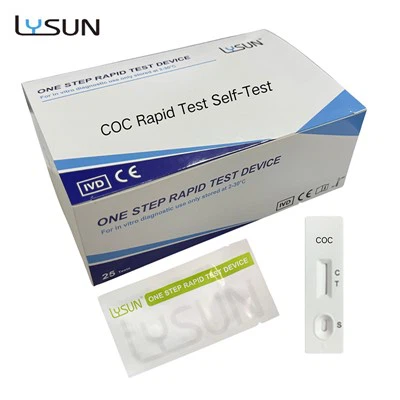

Can a Morphine Test be used in research studies?
In the realm of scientific research, the use of reliable and accurate testing methods is crucial for obtaining valid results. One such test that has gained attention in various research fields is the Morphine Test. As a supplier of high - quality Morphine Tests, I am well - positioned to explore the potential applications of these tests in research studies.
Morphine is a powerful opioid analgesic that is widely used in medicine for pain management. However, it also has a high potential for abuse and addiction. The ability to detect morphine in biological samples is important not only for clinical diagnosis but also for research purposes.
1. Substance Abuse Research
Substance abuse research aims to understand the patterns, causes, and consequences of drug use. Morphine Tests play a vital role in this area. For instance, in longitudinal studies that follow individuals at risk of opioid abuse, these tests can be used to monitor the presence of morphine in urine or blood samples over time. This helps researchers to track the initiation, progression, and cessation of morphine use.
A study published in the Journal of Substance Abuse Treatment might use Morphine Tests to determine the prevalence of morphine use among a specific population, such as patients in a pain management clinic. By analyzing the test results, researchers can identify factors associated with morphine abuse, such as previous history of substance use, psychological stressors, or genetic predisposition.
The Morphine (MOP) Rapid Test offered by our company is particularly useful in such research. It provides quick and accurate results, allowing researchers to obtain real - time data on morphine use. This rapid turnaround time is essential in studies where timely intervention or data collection is required.
2. Pharmacological Research
Pharmacological research focuses on the effects of drugs on the body, including their absorption, distribution, metabolism, and excretion (ADME). Morphine Tests can be used to measure the concentration of morphine in biological fluids at different time points after administration.
In a pharmacokinetic study, researchers might administer a known dose of morphine to a group of subjects and then use Morphine Tests to analyze blood or urine samples at regular intervals. This data can be used to construct pharmacokinetic profiles, which describe how the body processes the drug. For example, the test results can help determine the half - life of morphine in the body, the peak concentration, and the rate of elimination.
These profiles are important for understanding the optimal dosing regimens for morphine in clinical settings. By using Morphine Test kits from our company, researchers can ensure the accuracy of their measurements, which is essential for making informed decisions about drug dosing and safety.
3. Forensic Research
Forensic research often involves the analysis of biological samples in criminal investigations. Morphine Tests can be used to detect the presence of morphine in cases of suspected drug - related crimes, such as drug trafficking or drug - facilitated sexual assault.
In a forensic toxicology study, samples from crime scenes or victims can be analyzed using Morphine Tests. The results can provide valuable evidence in court, helping to establish the presence of morphine and its concentration at the time of the incident. This information can be used to determine whether a suspect was under the influence of morphine or if it was used as a weapon.
Our Morphine Tests are designed to meet the high standards of forensic research. They are highly sensitive and specific, ensuring that even trace amounts of morphine can be detected accurately. This reliability is crucial in forensic investigations, where the integrity of the evidence is of utmost importance.
4. Clinical Research
In clinical research, Morphine Tests can be used to evaluate the effectiveness of pain management strategies. For example, in a randomized controlled trial comparing different pain medications, Morphine Tests can be used to monitor the compliance of patients taking morphine.
If a patient is supposed to take a certain dose of morphine for pain relief, the test can confirm whether the drug is being taken as prescribed. This helps researchers to determine the true efficacy of the treatment, as non - compliance can confound the results of a study.


Moreover, Morphine Tests can also be used to assess the side effects of morphine. By measuring the concentration of morphine in the body, researchers can correlate it with the occurrence of side effects such as respiratory depression, constipation, or sedation. This information can be used to develop safer and more effective pain management protocols.
Considerations in Using Morphine Tests in Research
While Morphine Tests offer many advantages in research studies, there are also some considerations that researchers need to keep in mind.
Firstly, the accuracy of the test results depends on proper sample collection and handling. Researchers need to ensure that the samples are collected using appropriate techniques and stored under the correct conditions to prevent degradation of the analyte.
Secondly, the interpretation of the test results requires careful consideration. False positives and false negatives can occur, especially in cases where there are cross - reactions with other substances. Researchers need to be aware of these potential errors and use appropriate confirmatory tests when necessary.
Finally, ethical considerations are important when using Morphine Tests in research. Informed consent must be obtained from the participants, and their privacy and confidentiality must be protected.
Conclusion
In conclusion, Morphine Tests have a wide range of applications in research studies, including substance abuse research, pharmacological research, forensic research, and clinical research. As a supplier of Morphine Tests, we are committed to providing high - quality products that meet the needs of researchers.
Our Morphine (MOP) Rapid Test and Morphine Test kits are designed to be accurate, reliable, and easy to use. They can help researchers obtain valuable data that can contribute to a better understanding of morphine use, its effects on the body, and its role in various fields.
If you are involved in research studies that require Morphine Tests, we invite you to contact us for more information about our products and how they can be integrated into your research protocols. We look forward to the opportunity to support your research endeavors.
References
- Journal of Substance Abuse Treatment. [Cite specific articles if available].
- Textbooks on pharmacokinetics and forensic toxicology for general background information on relevant concepts.