
Hey there! I'm a supplier of cotinine tests, and I often get asked whether a cotinine test can be done on children. So, I thought I'd dive into this topic and share some insights.
First off, let's understand what cotinine is. Cotinine is a metabolite of nicotine. When someone smokes or is exposed to second - hand smoke, nicotine gets absorbed into the body and is then metabolized into cotinine. Measuring cotinine levels in the body can tell us about a person's nicotine exposure, whether it's from active smoking or being around smokers.


Now, the big question: Can we do a cotinine test on children? The short answer is yes, we can. But there are several factors to consider before going ahead with it.
One of the main reasons for testing children for cotinine is to assess their exposure to second - hand smoke. Second - hand smoke is extremely harmful to children. It can cause a whole bunch of health problems, like ear infections, respiratory issues such as asthma attacks, and even sudden infant death syndrome (SIDS) in infants. By testing for cotinine, parents, doctors, and researchers can get a clear picture of how much second - hand smoke a child has been exposed to.
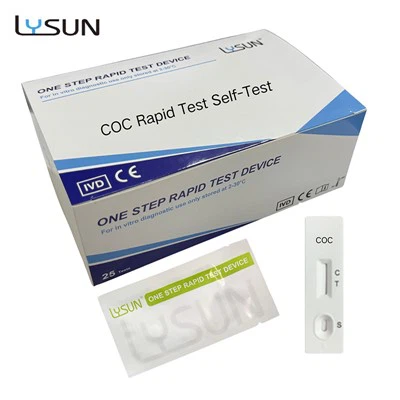
There are different types of cotinine tests available. We offer a Cotinine Rapid Test, which is super convenient. It can give you results in a relatively short time, usually within minutes. This is great when you need quick information, especially in a clinical setting.
Another option is the COT Rapid Test. It's also designed to be fast and easy to use. These rapid tests are often used in situations where you want to get an immediate idea of a child's cotinine levels.
If you're looking for a more in - depth and perhaps more accurate test, we have the Cotinine Urine Test Kit. Urine tests are commonly used because cotinine can be detected in urine for a longer period compared to some other methods. This makes it a good option for getting a better understanding of a child's long - term nicotine exposure.
But before you decide to test a child, there are some ethical and practical considerations. Ethically, it's important to get proper consent. If the child is old enough, their assent should also be sought. Parents or guardians need to understand the purpose of the test, what the results mean, and how the information will be used.
Practically, collecting samples from children can be a bit tricky. For urine tests, you need to make sure you collect an adequate sample. This might be challenging, especially with younger children. Also, some children might be scared or uncomfortable with the testing process. It's important to make the experience as stress - free as possible.
In terms of the legal aspect, in most places, there are no laws against testing children for cotinine. However, the use of the test results needs to be in line with privacy and data protection laws. For example, the results should not be shared without proper authorization.
Let's talk about the accuracy of these tests. Generally, cotinine tests are quite accurate, but there can be some factors that affect the results. For instance, certain medications or foods might interfere with the test. It's always a good idea to inform the testing personnel about any medications the child is taking or any special dietary habits.
When it comes to interpreting the results, it's important to have a professional involved. A doctor or a trained healthcare provider can help understand what the cotinine levels mean in the context of the child's health. Different levels of cotinine can indicate different degrees of nicotine exposure, and these levels need to be evaluated carefully.
If the test shows that a child has been exposed to high levels of cotinine, it's a sign that steps need to be taken to reduce their exposure. This could mean asking smokers in the household to smoke outside, improving ventilation in the home, or even avoiding places where there is a lot of second - hand smoke.
Now, I want to touch on the role of these tests in research. Researchers often use cotinine tests on children to study the effects of second - hand smoke on child health. By testing a large number of children, they can gather data on how nicotine exposure affects growth, development, and the overall health of children over time.
As a supplier of cotinine tests, we are committed to providing high - quality products. Our tests are designed to be reliable and easy to use. Whether you're a parent worried about your child's exposure to second - hand smoke, a doctor looking for a diagnostic tool, or a researcher conducting a study, our cotinine tests can be a valuable resource.
If you're interested in purchasing our cotinine tests, we're here to help. We can offer guidance on which test is the best fit for your needs, and we can also provide information on how to use the tests correctly. We understand that every situation is unique, and we're dedicated to providing personalized service.
In conclusion, yes, a cotinine test can be done on children, and it can be a useful tool in assessing their nicotine exposure. However, it's important to approach the testing process with care, considering ethical, practical, and legal aspects. If you have any questions or are interested in purchasing our cotinine tests, don't hesitate to reach out. We're here to assist you in making the best decisions for your situation.
References
- American Academy of Pediatrics. (Year). Policy statement on second - hand smoke exposure in children.
- World Health Organization. (Year). Guidelines on reducing second - hand smoke exposure.
- Research studies on the effects of second - hand smoke on children's health published in reputable medical journals.