
Can an FSH test be affected by emotional trauma? That's a question I've pondered a lot, especially since I'm in the business of supplying FSH tests. I've seen firsthand how important these tests are for women's health, and I'm constantly learning more about what can influence their results.
Let's start by understanding what an FSH test is. FSH, or follicle-stimulating hormone, is a key player in the reproductive system. It's produced by the pituitary gland and plays a crucial role in the development of eggs in the ovaries. A Follicle Stimulating Hormone FSH Test measures the level of this hormone in the blood. Doctors often use it to evaluate fertility, check for ovarian problems, or assess the onset of menopause.
Now, onto the big question: Can emotional trauma throw a wrench into the FSH test results? Well, it's a bit complicated. The human body is an incredibly complex system, and our emotions are more intertwined with our physical health than we might think. Emotional stress, whether it's short - term or long - lasting, can have a significant impact on our hormones.
When we're under emotional stress, our body goes into a "fight - or - flight" mode. This triggers the release of stress hormones like cortisol. Cortisol can interfere with the normal functioning of the hypothalamic - pituitary - ovarian (HPO) axis, which is the hormonal system that regulates the menstrual cycle and reproduction. The HPO axis is a delicate balance of hormones, and when cortisol levels are high, it can disrupt the normal production and regulation of FSH.
For example, in cases of chronic stress or emotional trauma, the hypothalamus, a part of the brain that controls the pituitary gland, may reduce the production of gonadotropin - releasing hormone (GnRH). Since GnRH stimulates the pituitary gland to produce FSH, a decrease in GnRH can lead to abnormal FSH levels. This can make it seem like there are underlying fertility or ovarian issues when, in fact, the root cause could be emotional stress.
On the other hand, short - term emotional stress might not have as profound an impact on FSH levels. However, in some sensitive individuals, even a brief period of high - stress, like the sudden loss of a loved one or a major job - related crisis, could potentially cause a temporary spike or dip in FSH.
I've been in the industry for a while, and I've heard many stories from women who've had their FSH tested during emotionally turbulent times. Some reported getting results that were initially concerning, but upon further evaluation and after dealing with their emotional stress, their FSH levels returned to normal. This kind of anecdotal evidence really makes me think about how important it is to consider a patient's emotional state when interpreting FSH test results.
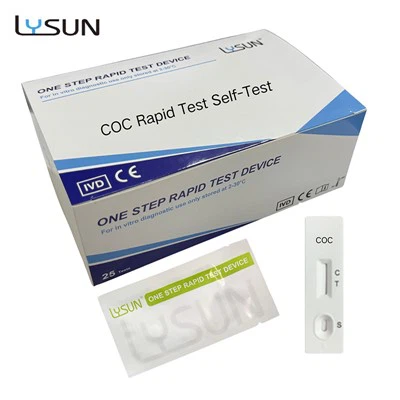
Another aspect to consider is the FSH Rapid Test. These tests are convenient and can provide quick results, but they are also subject to the same potential influences as traditional FSH blood tests. If a woman takes a rapid test during a period of high emotional distress, it's possible that the results may not accurately reflect her true baseline FSH levels.
So, what does all this mean for doctors and patients? Well, for doctors, it's crucial to take a comprehensive approach when evaluating FSH test results. They need to consider the patient's emotional history and current stress levels. A simple conversation about recent life events can provide valuable context. For patients, it's important to be aware that emotional stress can affect the test results. If they've been through a particularly tough time emotionally, they might want to discuss with their doctor whether it's the right time to take the test or if they should wait until they're feeling more stable.
As a supplier of FSH tests, I'm always looking for ways to educate both medical professionals and the general public about these tests. I understand the importance of accurate results, not just for diagnosing medical conditions but also for providing peace of mind. That's why I believe in the power of information. The more people know about what can influence FSH test results, the better decisions they can make about their health.
If you're in the medical field and are interested in purchasing high - quality FSH tests, I'd love to talk to you. Whether you need the traditional Follicle Stimulating Hormone FSH Test or the convenient FSH Rapid Test, I can provide you with the best products at competitive prices. Contact me to start a conversation about your specific needs. Let's work together to ensure accurate and reliable FSH testing for the patients who rely on it.


References
- Schnittker, J., & McLeod, J. D. (2005). The doubly disadvantaged: Gender, work - family stress, and psychological distress. Social Science & Medicine, 60(6), 1289 - 1301.
- Chrousos, G. P. (1998). The hypothalamic - pituitary - adrenal axis and immune - mediated inflammation. The New England Journal of Medicine, 339(12), 1175 - 1187.
- Welt, C. K. (2002). Polycystic ovary syndrome: The spectrum of the disorder in adolescence. Journal of Adolescent Health, 30(1), 36 - 48.